
Dr. Heidi Queen, MD | Energize Health & Hormones
At Energize Health & Hormones, Dr. Heidi Queen, MD, approaches health from a perspective that looks beyond symptoms and into the systems that quietly shape how the body functions over time. One of those systems—often overlooked until there’s a problem—is the relationship between hormones and bone health.
Most people think of bones as fixed and unchanging. But in reality, your bones are constantly in motion—breaking down, rebuilding, and adapting to the signals they receive. And many of those signals come from your hormones. That means bone health isn’t just about calcium. It’s about communication.
Your Bones Are Listening
Inside your body, bone is living tissue. Every day, specialized cells break down older bone while others rebuild new structure in its place. This process—called remodeling—keeps bones strong and responsive. Hormones act like messengers in this system. Estrogen, for example, helps regulate the balance between bone breakdown and rebuilding. When estrogen levels decline during menopause, that balance shifts. More bone is broken down than rebuilt, which is why bone density tends to decrease during this stage of life. But estrogen is only part of the story.
Other hormones—including thyroid hormones, cortisol, insulin, and even growth factors—also influence how bones form, repair, and maintain strength. When these signals are out of sync, bone health can quietly decline over time. This is one reason why conditions like osteoporosis often develop gradually, without obvious symptoms at first.
More Than Aging: What Influences Bone Loss?
While aging and menopause are well-known contributors, they’re not the only factors at play. Chronic conditions such as digestive disorders, liver or kidney disease, and metabolic imbalances can interfere with how nutrients are absorbed and how hormones function. Even long-term stress plays a role—elevated cortisol levels can slow bone formation over time. There are also everyday lifestyle factors that matter more than most people realize:
- Limited movement or lack of resistance exercise
- Low intake of key nutrients like vitamin D or magnesium
- Poor gut health affecting nutrient absorption
- Chronic inflammation
- Ongoing stress without recovery
Individually, these may seem small. Together, they create an environment where bones are more likely to weaken.
The Menopause Connection (and Why It Matters)
For many women, menopause is the turning point where bone health becomes more urgent. As estrogen declines, the rate of bone loss accelerates. This doesn’t mean osteoporosis is inevitable—but it does mean the body needs more support during this transition.
Hormone Replacement Therapy (HRT) is one option that may be considered in certain cases. By restoring estrogen levels, HRT can help slow bone loss and reduce the risk of fractures while also addressing symptoms like hot flashes, sleep disruption, and mood changes. That said, HRT isn’t a one-size-fits-all solution. It depends on individual health history, risk factors, and personal goals. This is where a personalized, medically guided approach becomes essential.
A Functional Medicine Perspective: Looking at the Whole Picture
Rather than focusing on bone density alone, a functional medicine approach looks at the broader ecosystem influencing bone health. Dr. Queen often considers several interconnected areas:
Hormone balance
Not just estrogen, but the full network—thyroid, adrenal, metabolic, and reproductive hormones.
Nutrient status
Calcium is important, but so are vitamin D, vitamin K, magnesium, and omega-3 fatty acids.
Gut health
A healthy microbiome supports nutrient absorption and may even influence how certain bone-regulating hormones function.
Inflammation and stress
Chronic inflammation and elevated cortisol can quietly interfere with bone rebuilding over time.
When these systems are addressed together, the goal isn’t just to prevent bone loss—it’s to support stronger, more resilient health overall.
What Actually Helps (and What’s Worth Your Time)
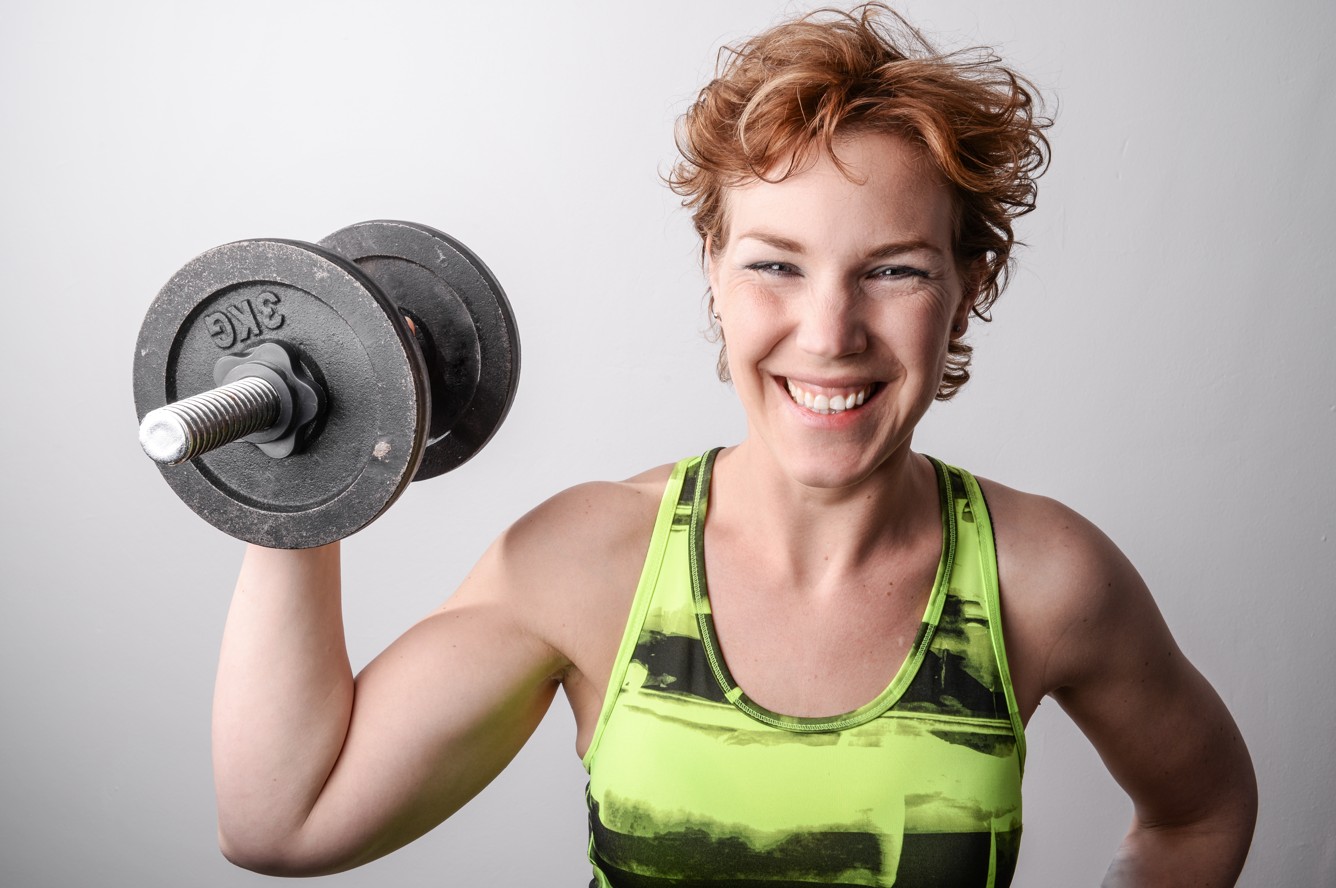
The good news is that many of the most effective strategies are also the most accessible. A Mediterranean-style diet—rich in vegetables, healthy fats, and whole foods—has been shown to support both hormone balance and bone health. Weight-bearing and resistance exercises (like walking, strength training, or yoga) send signals to the body to maintain and build bone.
And while it may not sound directly related, stress management plays a meaningful role. Practices like mindfulness, breathing exercises, or simply creating space for rest can help regulate cortisol levels, which in turn supports healthier bone turnover. Even small, consistent changes can shift the trajectory over time.
Rethinking Bone Health
One of the biggest misconceptions about bone health is that it only matters later in life—or only after a diagnosis. In reality, the foundation is built much earlier, and it’s influenced daily by how your body processes nutrients, manages stress, and regulates hormones. Your bones are not separate from the rest of your health. They’re responding to it.
Moving Forward with Clarity
At Energize Health & Hormones, Dr. Queen works with patients to understand these deeper connections—helping identify early signs of imbalance and creating personalized plans that support both hormone health and long-term bone strength. Whether you’re navigating perimenopause, managing symptoms, or simply looking to stay ahead of future concerns, having a clearer picture of how your body is functioning can make all the difference.
If you’re ready to take a more proactive, personalized approach to your health, scheduling a consultation with Dr. Queen is a meaningful place to start. To explore the practice or schedule a complimentary discovery call at (415) 548-7901 or use our online appointment form.
STAY IN THE LOOP