
 Dr. Heidi Queen, MD | Energize Health & Hormones
Inflammation gets a bad reputation, but the truth is a little more complicated. When you cut your finger, sprain an ankle, or come down with an infection, inflammation is part of your body’s normal response. It helps mobilize the immune system and supports healing. Inflammation itself isn’t the enemy. The problem is what happens when that response doesn’t fully settle down.
Persistent, low-grade inflammation can become part of the landscape of many chronic health concerns, including metabolic and cardiovascular conditions, digestive problems, autoimmune disease, and chronic pain. It can also show up less dramatically—as feeling tired, achy, foggy, or simply not quite like yourself. So, can nutrition help?
It can be an important piece of the picture. But an anti-inflammatory approach to eating isn’t about finding one magical food or following a perfect diet. It’s about creating a pattern of nourishment that supports your body’s ability to regulate inflammation over time.
What is the difference between healthy inflammation and chronic inflammation?
Acute inflammation is generally short-lived. Your immune system responds to an injury, infection, or other threat, does its job, and then the response settles down. Chronic inflammation is different. It can persist for months or even years, sometimes without producing an obvious symptom that tells you what’s happening.
A number of factors can contribute to this ongoing inflammatory burden, including inadequate sleep, chronic stress, sedentary behavior, excess body fat, environmental exposures, tobacco use, excessive alcohol, metabolic dysfunction, and dietary patterns heavily dominated by ultra-processed foods. That doesn’t mean any one of these factors is the cause of inflammation. Human biology is more complicated than that. More often, it’s the cumulative effect of many small influences. And that’s where nutrition becomes particularly interesting.
How does food influence inflammation?
Your diet doesn’t simply provide calories. Food supplies the building blocks your body uses for hormones, neurotransmitters, immune function, cellular repair, and energy production. At the same time, dietary patterns can influence blood sugar regulation, gut health, body composition, and the availability of nutrients involved in normal immune function.
A diet dominated by highly processed foods, added sugars, refined carbohydrates, and heavily fried foods may contribute to an environment that is less supportive of metabolic health. On the other hand, diets rich in vegetables, fruits, legumes, whole grains, nuts, seeds, fish, and unsaturated fats are associated with healthier dietary patterns and better overall health outcomes.
This is one reason the Mediterranean-style pattern continues to attract attention. It isn’t a diet built around a handful of “superfoods.” It’s a way of eating that emphasizes variety, minimally processed foods, plant foods, healthy fats, and quality sources of protein. The pattern matters more than any single ingredient.
What foods belong in an anti-inflammatory eating pattern?
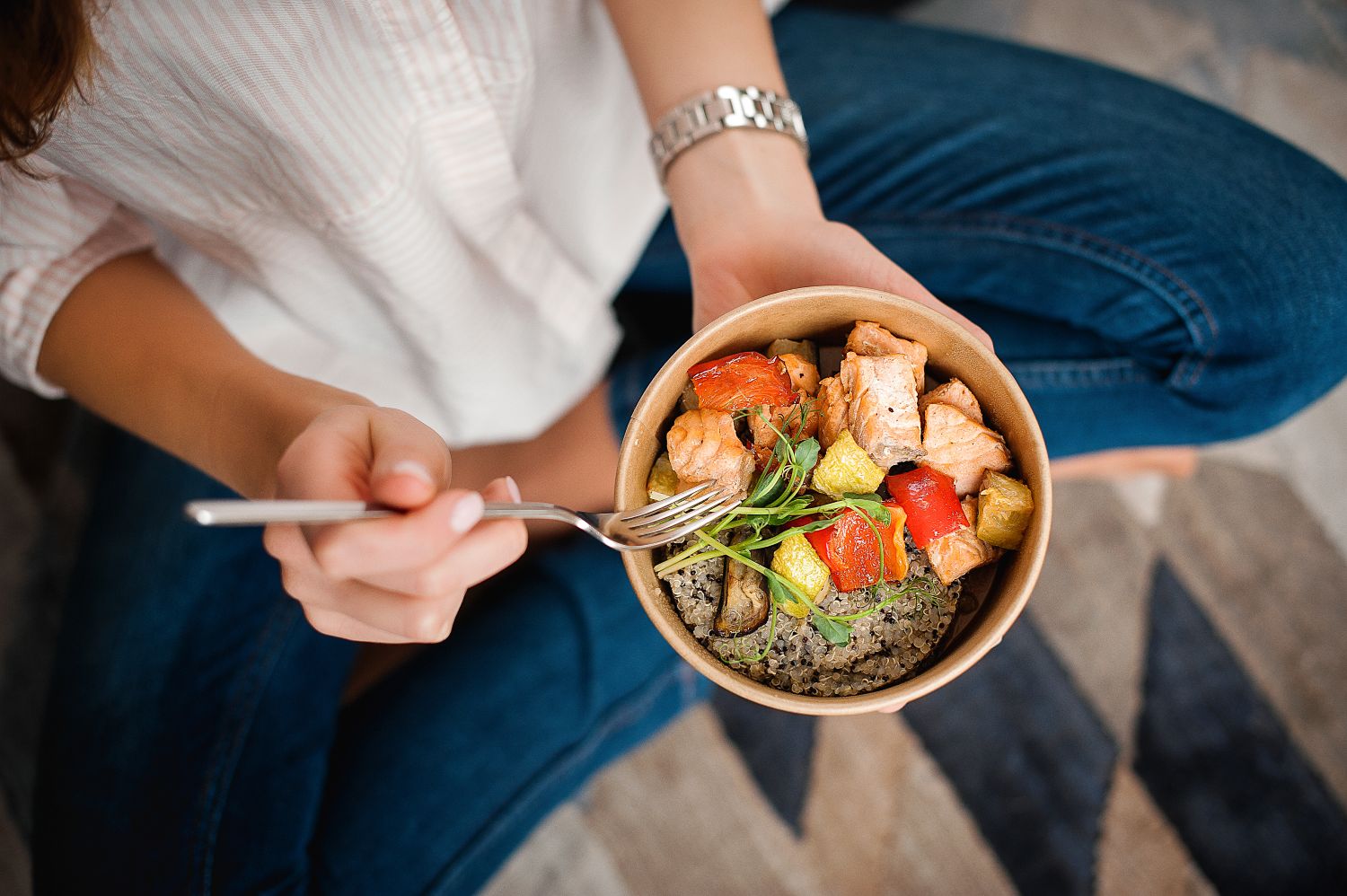
This is where things can get unnecessarily complicated. You don’t need a refrigerator full of exotic ingredients or a cabinet stocked with expensive supplements. Many of the foods that fit naturally into an anti-inflammatory eating pattern are familiar, everyday foods. Think of colorful vegetables, leafy greens, berries and other whole fruits, beans and lentils, nuts and seeds, whole grains, extra-virgin olive oil, avocados, and fish rich in omega-3 fatty acids such as salmon, sardines, or herring.
Herbs and spices can add another layer of flavor and nutritional variety. Turmeric, ginger, garlic, cinnamon, rosemary, and other herbs and spices contain naturally occurring plant compounds that are being studied for their potential effects on inflammation and oxidative stress. And don’t overlook the importance of protein.
Adequate protein supports muscle maintenance, metabolic health, satiety, and healthy aging. Depending on your individual needs and preferences, that might include fish, poultry, eggs, yogurt, legumes, tofu or tempeh, nuts and seeds, or other protein sources. The goal isn’t to construct a “perfect” anti-inflammatory meal. It’s to build meals that consistently provide your body with the nutrients it needs.
What foods are worth eating less often?
Sometimes improving nutrition isn’t about adding another food to your grocery list. It’s about making a little more room by eating fewer foods that don’t contribute much nutritional value. Highly processed foods, sugar-sweetened beverages, refined carbohydrates, processed meats, and heavily fried foods are reasonable foods to limit as part of an overall healthy eating pattern. Excessive alcohol consumption can also work against overall health.
But there’s an important distinction here: Healthy nutrition doesn’t require dietary perfection. Having a cookie isn’t going to suddenly create chronic inflammation. Eating a salad isn’t going to instantly reverse it, either. Your overall pattern of eating matters far more than any individual meal. That perspective can make healthy eating feel considerably more achievable.
Does an anti-inflammatory diet have to be restrictive?
No—and this may be one of the most important things to understand. The word “anti-inflammatory” can make people imagine a long list of foods they aren’t allowed to eat. That’s not necessarily the most useful approach. For many people, the better question is: What can I add to my diet that makes it more nourishing?
Could you add berries to breakfast? More vegetables to lunch? A handful of walnuts as a snack? Olive oil and herbs instead of a highly processed sauce? Salmon instead of a heavily processed meat? Beans or lentils to a meal? Small changes can accumulate. And if a particular food consistently causes digestive symptoms or other problems for you, that’s a different conversation. Individual food sensitivities, allergies, gastrointestinal conditions, metabolic health, medications, and personal preferences all matter. There is no universal anti-inflammatory menu that works identically for every person.
What does personalized nutrition have to do with inflammation?
This is where nutrition moves beyond generic diet advice. Two people can eat the same meal and have very different experiences. Their metabolic health, digestive function, activity levels, sleep, stress, medications, nutritional status, and individual food tolerances can all influence the bigger picture. That’s why simply handing someone a list of “anti-inflammatory foods” may not be enough.
A personalized nutritional approach looks at the person rather than just the plate. It can help identify practical ways to improve the quality of the diet while taking individual health goals and circumstances into account. In some cases, nutritional assessment may also help uncover areas where someone needs additional support. And nutrition doesn’t operate independently from the rest of your life.
Sleep, movement, stress management, hydration, relationships, and other aspects of daily life can all contribute to overall health and resilience. Food is one piece of the puzzle—but it is an important piece.
How can you start eating in a more anti-inflammatory way?
You don’t need to completely overhaul your kitchen on Monday morning. Start by looking at what you’re already eating. Try making your meals more colorful. Include a source of protein and fiber. Replace some highly processed foods with whole or minimally processed alternatives. Drink water more often. Add vegetables, fruit, legumes, nuts, seeds, or whole grains where they fit naturally. And pay attention to how you feel.
Energy, digestion, hunger, sleep, mood, and physical comfort can all provide useful information about how your current habits are working for you. Most importantly, don’t turn nutrition into another source of stress. The most effective eating pattern is generally one that is nutritious and sustainable.
Could nutrition be part of your bigger health picture?
If you’ve been dealing with low energy, digestive issues, metabolic concerns, difficulty maintaining a healthy weight, or simply a sense that your body isn’t functioning the way you’d like it to, it may be worth looking beyond a single symptom. Nutrition can be a powerful part of preventive and personalized healthcare—but it works best when it’s considered in the context of the whole person.
At Energize Health & Hormones, Dr. Queen’s concierge primary care practice incorporates personalized nutritional support as part of a comprehensive approach to health. Dr. Queen works alongside Nutritional Therapy Practitioner Cherie Paige and FBCA Ashley Swanson, giving patients access to additional expertise as they work toward their individual health goals. Call (415) 548-7901 to get started and to schedule a consultation today.
New patients also receive a complimentary one-hour consultation with either Cherie or Ashley, creating an opportunity to explore how personalized nutrition may fit into their broader healthcare plan. Because eating well isn’t about following someone else’s perfect diet. It’s about understanding what your body needs—and creating a way of nourishing it that you can actually live with.
STAY IN THE LOOP