 Dr Heidi Queen, MD | Energize Health & Hormones
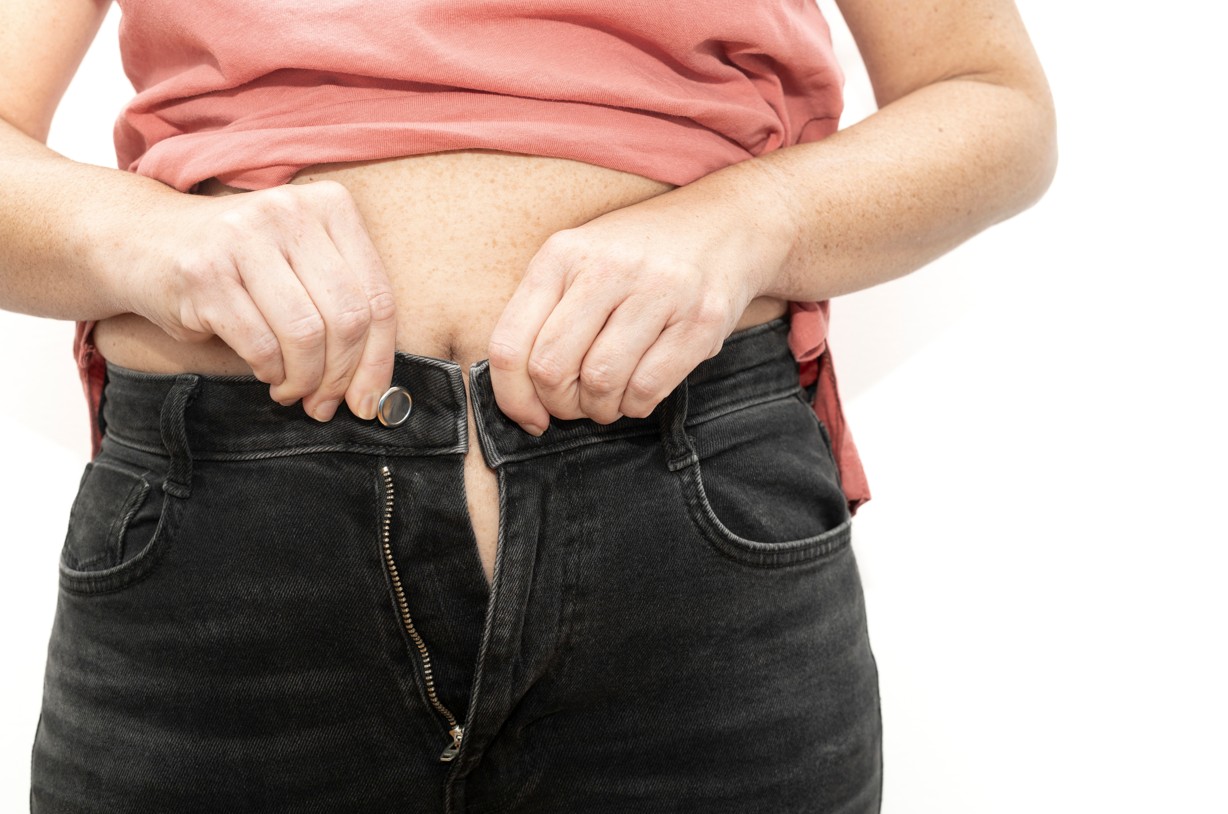
Many women notice that sometime during perimenopause or menopause, the rules seem to change. The eating habits that once maintained a healthy weight no longer work, the waistline begins to expand, and stubborn abdominal fat appears almost overnight. It can feel frustrating, especially when you are doing many of the same things you have always done.
The good news is that this shift is not simply a matter of willpower. Hormonal changes during menopause alter the way the body stores fat, regulates blood sugar, and responds to stress. Understanding what is happening can make the process feel far less mysterious—and much more manageable. Dr. Queen helps women navigate these changes with an integrative approach that combines medical expertise, hormone balancing, personalized nutrition, and, when appropriate, advanced therapies such as GLP-1 medications.
New Research Connects Belly Fat to More Severe Menopause Symptoms
A recent study published in Menopause, the journal of The Menopause Society analyzed data from more than 1,100 women participating in the long-running Study of Women’s Health Across the Nation. Researchers found that women with abdominal obesity—defined by waist-to-height ratio—experienced not only more body fat around the midsection, but also more severe menopausal symptoms. These included:
- Night sweats
- Hot flashes
- Forgetfulness
- Irritability
- Sleep disturbances
- Heart palpitations
- Dizziness
In other words, excess abdominal fat may do more than affect how your clothes fit. It may also intensify many of the symptoms that make menopause feel especially challenging. This is important because abdominal obesity is extremely common during menopause, affecting an estimated 60% or more of women. Unlike fat stored under the skin, visceral fat surrounds the internal organs and releases inflammatory chemicals that contribute to insulin resistance, cardiovascular disease, high blood pressure, and increased cancer risk.
Why Weight Shifts to the Midsection
As estrogen levels decline, the body tends to store fat differently. Weight that once settled in the hips and thighs often redistributes to the abdomen. At the same time, muscle mass naturally decreases with age, which slows metabolism and makes it easier to gain weight and harder to lose it.
Many women also experience sleep disruption, increased stress, and mood changes during menopause. Poor sleep raises cortisol, the body’s primary stress hormone, which can further promote fat storage around the waist. Insulin resistance may also become more pronounced, making the body less efficient at using carbohydrates for energy. The result is a perfect storm of hormonal and metabolic changes that can leave women feeling as though their bodies are working against them.
Nutrition Still Matters—Perhaps More Than Ever
Although menopause changes the playing field, lifestyle habits remain incredibly powerful. A Mediterranean-style eating pattern is often one of the most effective approaches for midlife weight management. Rather than focusing on deprivation, this way of eating emphasizes whole, nutrient-dense foods that support hormones, metabolism, and overall health.
Meals centered around lean proteins, vegetables, fruits, legumes, whole grains, healthy fats, and fiber can help stabilize blood sugar, reduce inflammation, and preserve muscle mass. Foods rich in calcium and vitamin D also support bone health, which becomes increasingly important as estrogen declines. Simple adjustments can make a meaningful difference. Reducing alcohol, excess sugar, and highly processed foods often improves sleep, hot flashes, and energy levels. Limiting caffeine and spicy foods may help women who experience frequent night sweats or hot flashes.
Because every woman responds differently, the EHH care team includes nutrition specialists Cherie Paige and Ashley Swanson who work alongside Dr. Queen to assess dietary patterns, nutrient status, gut health, and even environmental influences causing weight gain. With this information they can create individualized plans that are practical, sustainable, and tailored to each patient’s unique needs.
Lifestyle Changes That Support Weight Loss
Nutrition is only part of the equation. Regular movement remains essential for maintaining muscle and metabolic health. Strength training is particularly important during menopause because it helps preserve lean tissue, which supports calorie burning and insulin sensitivity. Walking, cycling, swimming, and other aerobic activities also improve cardiovascular health and mood.
Sleep and stress management are equally important. Chronic stress and poor sleep can undermine even the best diet and exercise plan. Addressing these areas often leads to noticeable improvements in both symptoms and weight.
When GLP-1 Therapy May Be Helpful
For some women, healthy habits alone are not enough to overcome the metabolic shifts of menopause. GLP-1 receptor agonists are medications that mimic a naturally occurring hormone involved in blood sugar regulation and appetite control. These medications can reduce cravings, improve insulin sensitivity, and help women feel fuller with smaller amounts of food.
During menopause, GLP-1 therapy may be particularly beneficial for women experiencing abdominal weight gain, insulin resistance, or persistent difficulty losing weight despite consistent effort. GLP-1 medications are not a replacement for good nutrition and exercise, but they can make those efforts more effective by helping reset appetite signals and improve metabolic function.
A Comprehensive Approach to Midlife Health
Dr. Queen’s approach is not about quick fixes or chasing a number on the scale. Instead, she looks at the bigger picture—hormones, metabolism, nutrition, sleep, stress, and overall wellness. Depending on each woman’s needs, treatment may include hormone replacement therapy, nutritional counseling, functional testing, lifestyle coaching, and medications such as GLP-1 therapy. By addressing the root causes of weight gain and menopausal symptoms, many women experience better energy, improved sleep, sharper thinking, and greater confidence.
You Do Not Have to Navigate Menopause Alone
Weight gain during menopause is common, but it is not something you simply have to accept. With the right support and a personalized plan, it is possible to improve your metabolism, reduce symptoms, and feel more comfortable in your body again.
If you are struggling with stubborn weight gain, hot flashes, mood changes, or other menopausal concerns, Dr. Heidi Queen and the team at Energize Health & Hormones offer compassionate, evidence-based care designed to help you feel your best during every stage of midlife. Schedule a consultation to learn more about personalized nutrition support, hormone balancing, and whether GLP-1 therapy may be right for you. Call (415) 548-7901 or use the online appointment form.
STAY IN THE LOOP