
 Dr. Lauren Bence, MD | Energize Health & Hormones
You’ve had your cholesterol checked, opened the results, and found yourself looking at a collection of numbers and abbreviations. Perhaps your LDL is a little high. Your HDL looks good. Your triglycerides fall somewhere in between. So, how concerned should you be? The answer depends on how those numbers fit into your overall health.
Cholesterol plays an essential role in your body. The goal is to understand when cholesterol-carrying particles may be increasing your cardiovascular risk—and what you can do to protect your health over time. A standard cholesterol panel is a useful starting point. For some people, additional blood tests called apolipoprotein B (apoB) and lipoprotein(a), or Lp(a), can help fill in important gaps.
What does a standard cholesterol panel tell you?
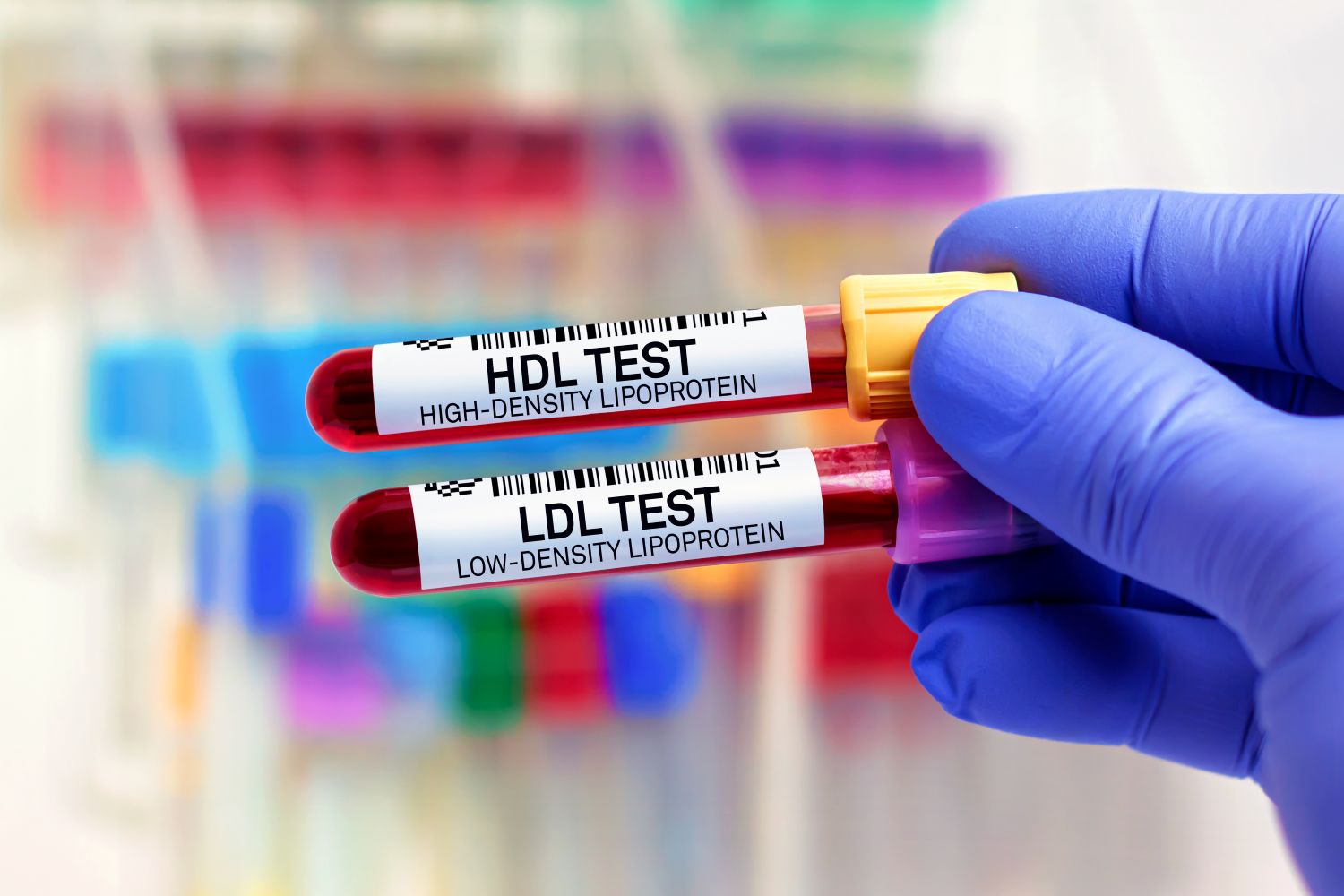
Your body uses cholesterol to build cell membranes and produce hormones, vitamin D, and bile acids that help with digestion. Because cholesterol cannot dissolve in blood, it travels through the bloodstream inside particles called lipoproteins. A standard lipid panel measures several markers that help your physician assess cardiovascular risk:
- LDL cholesterol (LDL-C): Often called “bad” cholesterol, LDL carries cholesterol that can contribute to plaque buildup in artery walls. Higher levels, especially over many years, increase cardiovascular risk.
- HDL cholesterol (HDL-C): Often called “good” cholesterol, HDL helps transport cholesterol, including carrying it back to the liver. However, a high HDL level does not automatically cancel out other cardiovascular risks.
- Triglycerides: These blood fats provide information about metabolic health. Elevated levels can be associated with insulin resistance and increased cardiovascular risk.
- Non-HDL cholesterol: This measures cholesterol carried by potentially harmful particles, including LDL and other particles that can contribute to plaque.
These results provide valuable information, but they don’t always reveal how many potentially harmful particles are circulating—or whether an inherited risk factor deserves attention.
ApoB: Counting the particles carrying cholesterol
One way to understand apoB is to picture cholesterol traveling aboard cargo ships. LDL cholesterol measures the amount of cholesterol cargo. ApoB helps estimate how many ships are carrying it. Each potentially plaque-forming, or atherogenic, particle carries one apoB molecule. Measuring apoB therefore provides a way to assess the number of these particles, including LDL and other particles involved in plaque buildup.
Why does that distinction matter? Two people can have the same LDL cholesterol level while having different numbers of cholesterol-carrying particles. When the amount of cholesterol and the number of particles don’t line up, apoB can reveal risk that an LDL result alone may underestimate. This can be particularly helpful for people with elevated triglycerides, diabetes, metabolic syndrome, or other cardiometabolic risk factors. In these situations, LDL cholesterol may look reassuring even when the number of potentially harmful particles remains high.
ApoB testing isn’t necessary for everyone. For the right patient, however, it can help clarify whether additional risk reduction would be beneficial—even after LDL cholesterol has reached its target.
Can heart risk be inherited even when you live a healthy lifestyle?
Yes. Lipoprotein(a), pronounced “L-P-little-a,” is an important example. Lp(a) is a cholesterol-carrying particle similar to LDL, with an additional protein attached. Elevated levels can contribute to plaque buildup and inflammation in artery walls and are associated with increased risk of heart attack, stroke, and narrowing of the aortic valve.
Unlike many other cardiovascular risk factors, Lp(a) is determined largely by genetics. You can eat well, exercise regularly, and maintain a healthy weight while still having an elevated level. This is also more common than many people realize: approximately one in five people worldwide has high Lp(a). Because it isn’t included in a standard cholesterol panel, someone can have otherwise reassuring results without knowing this inherited risk is present.
A family history of early heart attack, stroke, or certain aortic valve conditions may make this information especially relevant. If your Lp(a) is elevated, testing close relatives can help identify family members who may benefit from earlier prevention.
Should you have your Lp(a) checked?
Current cardiovascular guidelines recommend that adults have their Lp(a) measured at least once. The test requires a simple blood draw. Because levels are largely inherited and generally remain stable, repeat testing is usually unnecessary, although your physician may recommend it in certain circumstances. Knowing your level can help your physician interpret your other results more accurately and develop a prevention plan that accounts for your inherited risk.
What happens if your Lp(a) is high?
An elevated result can feel unsettling, particularly if you’ve been conscientious about your health. But high Lp(a) is a risk factor, not a diagnosis of heart disease or a prediction that a heart attack is inevitable. It gives you and your physician information you can use.
Although lifestyle changes generally have little effect on Lp(a) itself, they remain valuable for reducing overall cardiovascular risk. Your prevention plan may include:
Lowering LDL cholesterol. Reducing LDL can help lower overall risk when elevated Lp(a) adds to the picture. Depending on your health history and results, this may involve nutrition, physical activity, medication, or a combination.
Addressing other risk factors. Blood pressure, blood sugar, smoking, sleep, and metabolic health all deserve attention. Improving these areas remains worthwhile even when you cannot substantially change your Lp(a).
Considering additional testing when it would guide care. If the decision about cholesterol-lowering medication remains uncertain, a coronary artery calcium (CAC) scan may help. This scan identifies calcified plaque in the heart’s arteries and can provide additional information for treatment decisions.
Discussing testing for family members. Parents, siblings, and children may also have elevated Lp(a). Your physician can help determine appropriate screening.
Medications specifically targeting Lp(a) remain under investigation. There is not yet an approved medication specifically designed to lower Lp(a) with proven cardiovascular event reduction. In the meantime, established treatments can address other modifiable risks.
Putting your results into perspective
Cardiovascular risk is rarely defined by a single number. Your age, family history, blood pressure, metabolic health, cholesterol levels, and inherited factors all help tell the story. That is why preventive care should include a conversation about what your results mean for you. For one person, the next step may be reinforcing healthy habits. For another, additional testing or medication may offer meaningful protection. Understanding your cholesterol gives you a clearer starting point—and an opportunity to make informed decisions before problems develop.
At Energize Health & Hormones Dr. Bence
STAY IN THE LOOP